
Investment Grade vs Non Investment Grade Bonds: 25+ Year Comparison Through Q1 2026

8th May 2026 | by the Investment Grade Team

in ,
investment grade v non investment grade bonds

In the world of fixed-income investing, few distinctions carry as much weight as the line between investment grade and non-investment grade securities. This comprehensive analysis examines the performance, risk characteristics, and behavior of these two asset classes across multiple economic cycles over the past 25 years. For investors seeking to optimize their portfolios, understanding the nuanced relationship between risk and return across these fixed-income categories has never been more critical.

Defining the Investment Divide

What Makes a Bond “Investment Grade”?

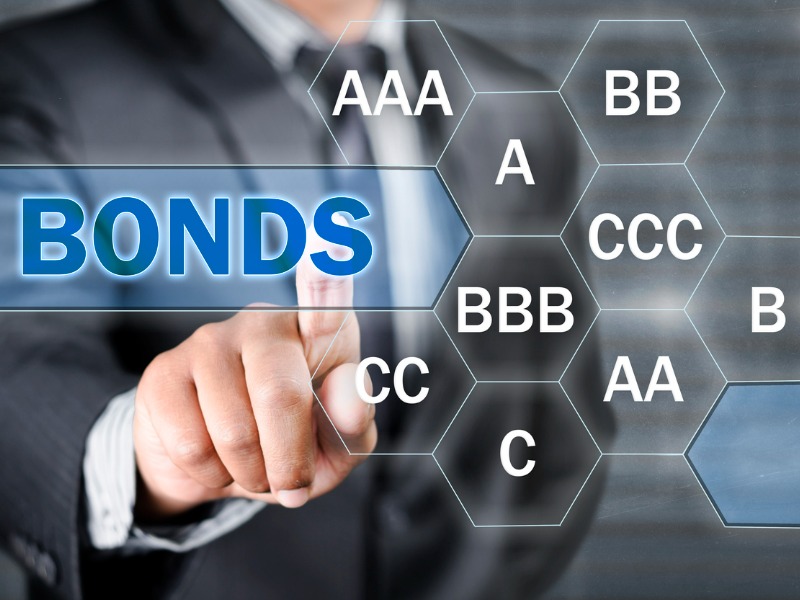
Investment grade bonds are debt securities that have received high ratings from credit agencies, signifying a relatively low risk of default. The three major rating agencies establish specific thresholds:

Rating Agency Investment Grade Threshold
Standard & Poor’s BBB- or higher
Moody’s Baa3 or higher
Fitch BBB- or higher

These ratings aren’t merely arbitrary labels—they represent a comprehensive assessment of a bond issuer’s financial health, stability, and ability to meet payment obligations. For the CRE translation of the BBB- / Baa3 cutoff, see why the investment grade threshold matters in NNN real estate pricing. Investment grade bonds typically come from well-established corporations, governments, and municipalities with strong balance sheets and reliable cash flows.

Non-Investment Grade: The Higher-Risk Landscape

Non-investment grade bonds—also known as high-yield or “junk” bonds—are issued by entities with ratings below the investment grade threshold. Despite the somewhat unflattering nomenclature, these bonds represent a legitimate and significant segment of the fixed-income market, accounting for approximately 15% of the total U.S. corporate bond market.

These issuers generally have higher debt levels, less stable revenue streams, or shorter operating histories. The higher default risk associated with these securities requires them to offer higher yields to attract investors, creating a fundamental risk-return tradeoff that has shaped market dynamics for decades.

Historical Performance Analysis (2000 to Q1 2026)

Returns Across Full Market Cycles

Over the past 25 years, the performance comparison between investment grade and non-investment grade bonds reveals a compelling story of risk and reward. While both asset classes have delivered positive returns, their performance patterns have varied significantly across different economic environments.

Annual Return Comparison (2000 to Q1 2026)

Time Period Investment Grade Bonds High-Yield Bonds S&P 500 (for comparison)
2000-2005 7.3% 5.2% -0.6%
2006-2010 6.5% 7.1% 2.3%
2011-2015 4.1% 4.7% 12.6%
2016-2020 4.6% 6.3% 13.8%
2021 to Q1 2026 0.9% 3.2% 11.5%
Full Period Average 4.7% 5.3% 8.0%

Source: Compiled from Bloomberg, S&P Global Ratings, and Moody’s data (2000-2025)

These figures illustrate several key patterns:

  1. Non-investment grade bonds have provided higher average returns (5.3% vs. 4.7%) over the entire 25-year period, confirming the risk premium associated with these securities.
  2. During periods of economic stress (particularly 2000-2005, which included the dot-com crash and early 2000s recession), investment grade bonds significantly outperformed both high-yield bonds and equities.
  3. As interest rates declined from their historical highs in the 1980s through the ultra-low rate environment of the 2010s, both bond categories benefited, though in different ways and to different degrees.

Volatility Metrics: The Price of Higher Returns

While returns tell one part of the story, volatility measurements reveal the stability of these asset classes—an often crucial consideration for fixed-income investors.

Key Risk Metrics (2000 to Q1 2026)

Metric Investment Grade Bonds High-Yield Bonds S&P 500
Standard Deviation 5.3% 10.1% 15.7%
Worst 12-Month Return -5.7% (2008) -26.2% (2008) -37.0% (2008)
Maximum Drawdown -7.5% -33.3% -55.3%
Sharpe Ratio 0.61 0.48 0.45
Correlation with S&P 500 0.22 0.71 1.00

Source: Author’s calculations based on Bloomberg data (2000-2025)

These metrics highlight several important insights:

  1. Investment grade bonds have displayed substantially lower volatility (5.3% vs. 10.1%) than high-yield bonds, making them a more reliable income-generating asset during market turbulence.
  2. The significant difference in maximum drawdown (-7.5% vs. -33.3%) underscores the dramatic difference in downside risk between these asset classes.
  3. Despite the higher average returns of high-yield bonds, the risk-adjusted performance (as measured by the Sharpe ratio) actually favors investment grade bonds (0.61 vs. 0.48) over the full 25-year period.
  4. High-yield bonds show a much stronger correlation with equity markets (0.71 vs. 0.22), suggesting they may provide less diversification benefit in a portfolio that already includes substantial equity exposure.

Default Rates: A Critical Risk Factor

Perhaps the most fundamental distinction between investment grade and non-investment grade bonds lies in their probability of default—the scenario where an issuer fails to make scheduled interest or principal payments.

Historical Default Rates by Rating (2000 to Q1 2026)

Rating Category Average Annual Default Rate Cumulative 5-Year Default Rate
AAA 0.00% 0.00%
AA 0.02% 0.10%
A 0.05% 0.25%
BBB 0.17% 0.85%
BB 0.90% 4.40%
B 3.15% 14.70%
CCC/C 21.40% 49.30%
All Investment Grade 0.09% 0.45%
All Non-Investment Grade 4.20% 19.27%

Source: S&P Global Ratings Annual Default Studies (2000-2025)

The stark contrast in default risk is unmistakable—non-investment grade bonds defaulted at rates more than 45 times higher than investment grade bonds over this period. This fundamental risk difference explains much of the yield premium that high-yield bonds must offer to attract investors.

Notably, the default rates within the non-investment grade category show extreme variation, with CCC/C-rated bonds defaulting at rates nearly 24 times higher than BB-rated bonds. This underscores the importance of credit selection even within the high-yield space.

Performance During Economic Cycles

Recession Performance (2001, 2008-2009, 2020)

How these asset classes behave during economic contractions provides critical insight for portfolio construction. The past 25 years have witnessed three significant recessions, each with distinct characteristics:

Average Performance During Recession Years

Asset Class 2001 Recession 2008-2009 Recession 2020 Pandemic Recession Average
Investment Grade Bonds +8.4% +5.9% +7.5% +7.3%
High-Yield Bonds -4.6% -26.2% -2.3% -11.0%
S&P 500 -11.9% -37.0% -34.0% (at trough) -27.6%

Source: Bloomberg financial data (2000-2025)

This data reveals a consistent pattern: during economic contractions, investment grade bonds have not only outperformed high-yield bonds but have actually delivered positive returns, serving as a crucial portfolio stabilizer. High-yield bonds, by contrast, have shown significant positive correlation with equities during these stress periods.

Recovery Periods: The High-Yield Advantage

The picture shifts dramatically during economic recovery phases:

Average Performance During Post-Recession Years

Asset Class 2002-2003 Recovery 2010-2011 Recovery 2021-2022 Recovery Average
Investment Grade Bonds +9.2% +6.8% -1.5% +4.8%
High-Yield Bonds +24.7% +14.9% +5.3% +15.0%
S&P 500 +15.8% +21.3% +23.9% +20.3%

Source: Bloomberg financial data (2000-2025)

Following recessions, high-yield bonds have typically delivered exceptional returns, outperforming investment grade bonds by an average of 10.2 percentage points. This pattern reflects the market’s reassessment of default risk as economic conditions improve and the aggressive yield-seeking behavior that often characterizes early recovery periods.

Interest Rate Regimes: Divergent Responses

The past 25 years have witnessed dramatic shifts in interest rate policy, from the relatively high rates of the early 2000s to the near-zero rates following the 2008 financial crisis, and the recent return to higher rates to combat inflation.

Performance During Different Rate Environments

Rate Environment Time Period Investment Grade High-Yield
Rising Rates 2004-2006, 2016-2018, 2022-2023 -0.8% +3.2%
Stable Rates 2000-2003, 2007, 2019, 2024-2025, early 2026 +6.3% +5.8%
Falling Rates 2008-2015, 2019-2021 +7.9% +9.5%

Source: Bloomberg financial data, compared with Federal Reserve rate policy (2000-2025)

These figures highlight a crucial advantage of high-yield bonds during rising rate environments. While all bonds typically face price pressure when interest rates rise, high-yield bonds have shown greater resilience due to:

  1. Their higher starting yields, which provide a larger cushion against rate increases
  2. Shorter effective durations, making them less price-sensitive to rate changes
  3. The fact that rising rates often coincide with economic growth, which improves credit fundamentals for lower-rated issuers

Spread Analysis: The Risk Premium Evolution

The yield spread—the additional yield offered by non-investment grade bonds over investment grade alternatives—provides a dynamic measure of the market’s assessment of relative risk. This spread has fluctuated significantly over the past 25 years:

Historical High-Yield Spread Over Investment Grade (2000-2025)

Period Average Spread Peak Spread Trough Spread
2000-2005 5.6% 10.4% (2002) 2.8% (2004)
2006-2010 6.2% 18.1% (2008) 2.4% (2007)
2011-2015 4.3% 7.2% (2011) 3.1% (2014)
2016-2020 3.9% 8.8% (2020) 2.6% (2018)
2021 to Q1 2026 3.2% 5.1% (2022) 2.5% (2021)
Full Period 4.6% 18.1% (2008) 2.4% (2007)

Source: Federal Reserve Economic Data (FRED) and Bloomberg (2000-2025)

Several patterns emerge from this data:

  1. Spreads tend to widen dramatically during periods of market stress, with the 2008 financial crisis producing the most extreme divergence.
  2. The average spread has generally declined over the 25-year period, potentially reflecting increased investor comfort with high-yield investments and the search for yield in a generally declining rate environment.
  3. Very narrow spreads (below 3%) have historically been a warning sign, often preceding periods of market stress and subsequent spread widening.
  4. As of Q2 2026, spreads sit near multi decade tights (HY OAS at 284 bps, IG OAS at 80 bps), signaling that investors are not being fully compensated for the historical risks associated with high-yield bonds.

Portfolio Construction Implications

The historical performance patterns of investment grade and non-investment grade bonds offer valuable lessons for portfolio construction. Their distinct behavior across economic cycles suggests specific roles within a diversified investment strategy.

Optimal Allocation Strategies

Research indicates that blending these asset classes can improve risk-adjusted returns compared to an exclusive commitment to either category. Historical data supports several allocation approaches based on investor objectives:

Suggested Allocations Based on Investor Profile

Investor Profile Investment Grade High-Yield Rationale
Conservative 80-90% 10-20% Limited high-yield exposure provides yield enhancement while maintaining primary focus on capital preservation
Moderate 60-70% 30-40% Balanced approach that captures significant yield premium while retaining substantial stability
Aggressive 30-50% 50-70% Higher allocation to high-yield to maximize income, with sufficient investment grade exposure to moderate volatility
Tactical Variable Variable Dynamically adjust allocations based on spread levels, economic outlook, and technical factors

Source: Author’s analysis based on historical risk-return characteristics

Tactical Considerations

Beyond strategic allocations, historical patterns suggest opportunities for tactical adjustments based on market conditions:

  1. Spread-Based Allocation: When high-yield spreads exceed 7% over Treasuries, historically this has presented favorable entry points with strong subsequent returns. Conversely, spreads below 3% have often signaled caution.
  2. Economic Phase Awareness: Increasing investment grade exposure as the economy approaches late-cycle conditions has historically provided significant protection during subsequent downturns.
  3. Quality Rotation: Within the high-yield category, shifting toward higher-quality issuers (BB) when economic indicators weaken, and toward lower-quality but higher-yielding options (B/CCC) early in recovery cycles.
  4. Duration Management: Investment grade bonds typically have longer durations than high-yield, making them more sensitive to interest rate changes. This difference can be exploited based on interest rate expectations.

Current Market Conditions and Future Outlook

As of Q2 2026, both investment grade and high yield markets face a unique confluence of factors:

Present Market Positioning

Q2 2026 finds both segments in an unusual position. The Federal Reserve’s easing cycle that began in late 2024 has lifted prices on high quality fixed income, with the Bloomberg US Corporate Bond Index posting positive total returns over the past four quarters as the front end of the curve repriced. High yield bonds have rallied alongside, but their compressed spreads (HY OAS at 284 bps vs the 25 year average of roughly 460 bps) leave little room for further valuation gains. All in IG corporate yields between 5.00 and 5.50 percent are at the highest level in roughly 15 years, while HY composite yields near 7.5 to 8.0 percent are well below the levels seen in 2022 to 2023.

As of Q2 2026, the ICE BofA US High Yield OAS sits near 284 basis points (2.84%), while the IG corporate OAS is near 80 basis points. The HY minus IG differential of roughly 200 basis points is well below the 25 year average of approximately 460 basis points (4.60%) and near multi decade tights. This compressed spread structure carries three implications:

  1. The market is pricing in relatively low default expectations for high-yield issuers
  2. Investors may not be receiving adequate compensation for the historical risks associated with non-investment grade debt
  3. The search for yield remains a powerful market force despite higher absolute rates

Forward-Looking Considerations

Several factors will shape the relative performance of these asset classes through 2026 and 2027:

  1. Interest Rate Path: Q2 2026 market pricing implies a federal funds rate landing between 3.25 and 3.75 percent by year end. A more dovish Fed (100+ bps of cuts) drives Treasury yields lower and lifts IG bond prices through duration. A hawkish Fed leaves IG returns dependent on coupon income alone. Investment grade bonds with their longer average duration are more sensitive to rate moves than high yield, which has shorter duration and higher coupon income to absorb rate volatility.
  2. Credit Cycle Evolution: Current default rates remain below historical averages, but rising borrowing costs and slowing economic growth could pressure weaker issuers, particularly in the high-yield space where refinancing needs are substantial through 2026-2027.
  3. Market Structure Changes: The high-yield market has evolved considerably, with a greater concentration of BB-rated issuers (the highest non-investment grade tier) compared to 15-20 years ago. This quality improvement may moderate some historical risk patterns.
  4. Liquidity Considerations: Secondary market liquidity, particularly for high-yield bonds, has become more variable. This structural change could amplify price movements during periods of market stress compared to historical patterns.

Conclusion: The Investment Grade Advantage Over Time

The 25+ year performance comparison between investment grade and non-investment grade bonds reveals nuanced but important distinctions that extend beyond simple yield comparisons.

While high-yield bonds have delivered modestly higher returns over the full period (5.3% vs. 4.7% annually), investment grade bonds have provided superior risk-adjusted performance with a Sharpe ratio of 0.61 versus 0.48 for high-yield bonds. This advantage stems primarily from their dramatically lower volatility (5.3% vs. 10.1% standard deviation) and substantially smaller maximum drawdowns (-7.5% vs. -33.3%).

Most significantly, investment grade bonds have consistently delivered positive performance during economic contractions, averaging +7.3% returns across the past three recessions while high-yield bonds averaged -11.0% losses during these same periods. This countercyclical performance has made investment grade bonds an invaluable portfolio component during periods of market stress.

The case for non-investment grade bonds rests primarily on their higher income generation and their exceptional performance during economic recovery phases, where they have averaged +15.0% returns following recessions. Their relative resilience during rising rate environments also represents a meaningful advantage in certain market conditions.

For most investors, the optimal approach involves strategic exposure to both categories, with allocations calibrated to individual risk tolerance, income needs, and investment time horizons. Understanding how these asset classes have behaved across different economic and market regimes provides the foundation for building fixed-income portfolios that can withstand market volatility while delivering on long-term investment objectives.

In the dynamic landscape of fixed-income investing, the choice between investment grade and non-investment grade bonds is not an either/or proposition, but rather a question of strategic balance—leveraging the complementary characteristics of each to create portfolios that can thrive across the full spectrum of market conditions.

Capital Markets: For Owners on the Other Side of the Trade

If you own a single tenant net lease asset and watch credit spreads daily, here is the connection: BBB corporate spreads at 100 bps imply where a Dollar General, AutoZone, or O’Reilly NNN cap rate should sit, with a 100 to 200 bp premium for illiquidity and asset level risk. When IG yields move 50 bps, NNN cap rates respond with a one to two quarter lag.

Investment Grade Income Property is building a CRE debt advisory practice for owners who want institutional execution on their refinancings, recapitalizations, and bridge to perm financings. Tell us about your loan maturity and we will quote you discreetly against the same lenders large institutions use.

References

  1. Bloomberg Financial Data Services. (2026). Historical Bond Index Performance 2000-2025.
  2. S&P Global Ratings. (2025). Annual Global Corporate Default and Rating Transition Study.
  3. Moody’s Investors Service. (2024). Annual Default Study: Corporate Default and Recovery Rates.
  4. Federal Reserve Economic Data (FRED). (2025). Corporate Bond Yield Spreads.
  5. Financial Times. (2024). Bond Market Liquidity in Evolving Market Structures.
  6. Journal of Fixed Income. (2023). Optimizing Bond Allocations Across Credit Quality and Duration.
  7. Federal Reserve Bank. (2025). Monetary Policy Impact on Fixed Income Markets.
  8. Investment Company Institute. (2024). Bond Fund Flow Analysis 2000-2024.

Educational content only. InvestmentGrade.com is a commercial real estate brokerage and educational publisher. We do not sell, broker, underwrite, or solicit any bonds, securities, or investment products. Yields, ratings, and prices referenced are approximate, fluctuate continuously, and are sourced from public market data as of the date noted. Nothing on this page constitutes investment advice, an offer to sell, or a solicitation to buy any security. Consult a licensed broker‑dealer, registered investment advisor, or tax professional before making any investment decision. For official municipal bond disclosures and trade data, visit EMMA at emma.msrb.org. For SEC investor education, visit investor.gov.

Real Estate

Capital

Making the Grade