
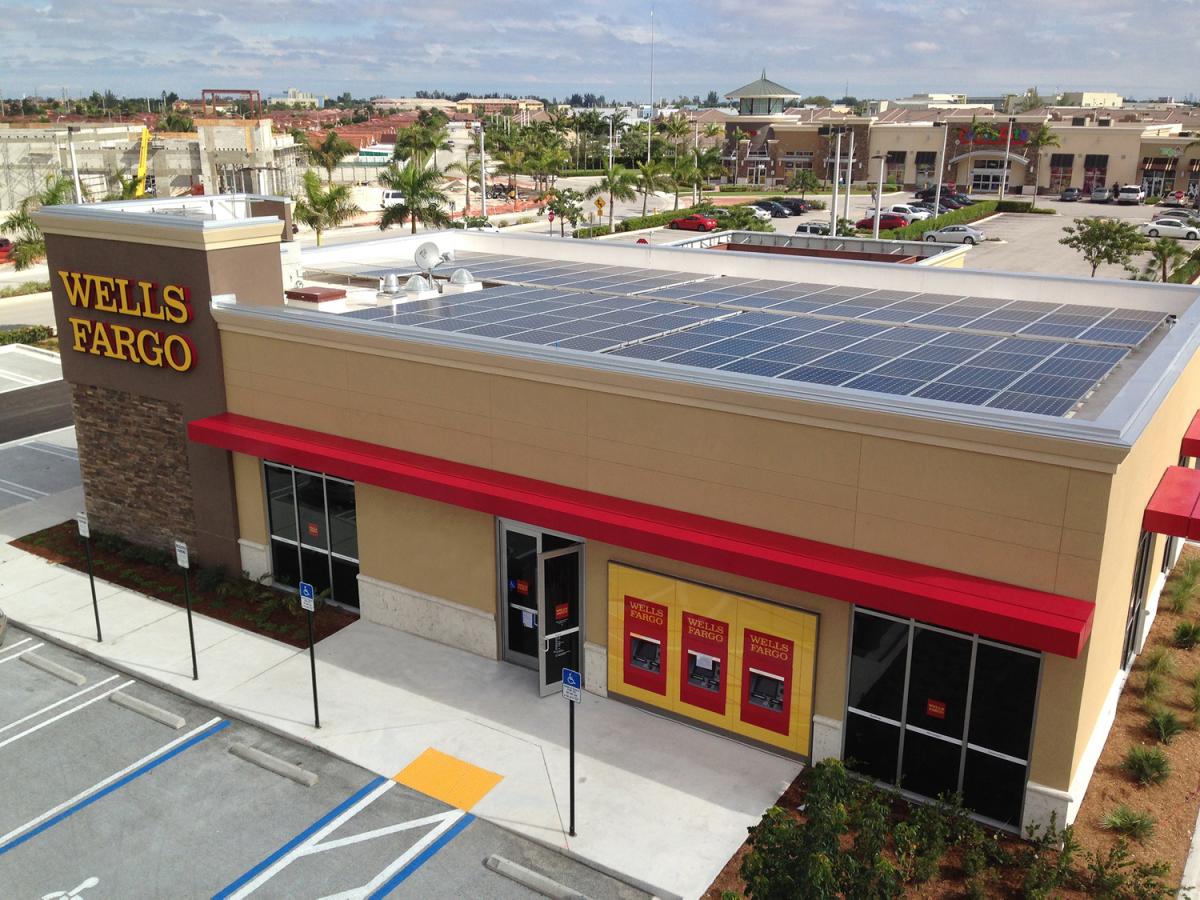
An investment grade triple net lease combines a triple net (NNN) lease, in which the tenant pays property taxes, insurance, and maintenance, with a tenant whose credit is rated investment grade: BBB‑ or higher by S&P or Fitch, or Baa3 or higher by Moody’s. It is one of the more predictable forms of commercial real estate income, but it carries real risks: the tenant can fail or leave at the end of the lease, and the property’s value moves with the market. This guide covers the rating framework, live cap rates, the main risks, how to build a portfolio, and a directory of tenant profiles with ratings that update from our database.
How the Structure Works
The triple net lease
The tenant pays real estate taxes, insurance, and maintenance in addition to rent. In an absolute NNN or bondable lease, the tenant also carries roof and structure and has fewer rights to terminate or reduce rent. Initial terms commonly run 10 to 25 years, often with rent increases and renewal options.
The credit rating
A rating is an agency’s opinion of a company’s ability to meet its financial obligations. Many institutional investors and lenders favor investment grade credit, which tends to broaden the buyer and lender pool for properties leased to those tenants. A rating applies to a lease only if the rated entity signs or guarantees it, so confirm the legal name of the tenant and any guarantor.
Why the combination matters
A strong tenant on a long net lease produces income that behaves somewhat like a bond’s, with added real estate features: depreciation, 1031 exchange eligibility, and the possibility of appreciation, along with real estate risks such as re-leasing and property value changes.
The Rating Framework
| Tier | S&P / Fitch | Moody’s | Examples (current S&P rating) |
|---|---|---|---|
| Highest quality | AAA | Aaa | Microsoft (no verified rating); rare among net lease tenants |
| High grade | AA+, AA, AA‑ | Aa1, Aa2, Aa3 | Walmart (AA), Costco (AA), Amazon (AA) |
| Upper medium | A+, A, A‑ | A1, A2, A3 | Home Depot (A), Target (A), 7-Eleven, Inc. (A-) |
| Lower medium (investment grade floor) | BBB+, BBB, BBB‑ | Baa1, Baa2, Baa3 | McDonald’s (BBB+), CVS Health (BBB), Dollar General (BBB), AutoZone (BBB) |
| Speculative grade | BB+ and below | Ba1 and below | Advance Auto Parts (BB), Kohl’s (B+) |
Examples show each company’s current S&P rating from our ratings database; ratings change, so the example in each row may move.
Beyond the letter rating, watch the outlook and any CreditWatch or review placements, which signal possible changes. The tenant ratings hub covers 190 net lease tenants.
NNN Cap Rates by Credit and Tenant
Cap rate is annual net operating income divided by price: a 6.00% cap rate means a price of about 16.7 times rent, and 7.50% about 13.3 times. The tables below show median asking cap rates on active listings InvestmentGrade.com tracks, across credit tiers, including speculative-grade and unrated tenants for comparison.
| Tenant rating category (S&P, or Moody’s equivalent) | Median asking cap rate | Middle half of listings | Listings (tenants) |
|---|---|---|---|
| AA | 5.25% | 4.75% to 6.25% | 61 (7) |
| A | 5.25% | 5.00% to 6.00% | 327 (19) |
| BBB | 6.65% | 6.00% to 7.39% | 1,148 (24) |
| BB | 6.25% | 5.50% to 7.25% | 225 (16) |
| B | 7.00% | 5.75% to 8.35% | 385 (10) |
| Not publicly rated (private companies) | 6.08% | 5.20% to 7.73% | 722 (23) |
Active listings InvestmentGrade.com tracks with an asking cap rate (stated, or computed from stated income and price when no rate is stated), listings last observed October 16, 2026, grouped by the rating of tenants rated in their own name; franchised brands rated only through a parent company are left out because a parent’s rating applies to a franchisee’s lease only if the parent signs or guarantees it. Asking cap rates are not closed-sale cap rates, and location, lease term, and ground lease structure move cap rates as much as the rating. Categories with fewer than 10 listings are not shown (CCC and lower).
| Tenant | S&P / Moody’s | Median asking cap rate | Middle half of listings | Listings | Median vs. 10-year Treasury |
|---|---|---|---|---|---|
| McDonald's | BBB+ / Baa1 | 4.00% | 3.75% to 4.24% | 46 | −124 bps |
| Chick-fil-A | n/a / n/a | 4.25% | 4.00% to 4.50% | 43 | −99 bps |
| JPMorgan Chase | AA- / Aa2 | 5.00% | 4.65% to 5.25% | 37 | −24 bps |
| 7-Eleven | A- / Baa2 | 5.15% | 5.00% to 5.50% | 169 | −9 bps |
| AutoZone | BBB / Baa1 | 5.35% | 4.95% to 5.80% | 27 | +11 bps |
| Taco Bell (rated entity: Yum! Brands, Inc.) | BB+ / Ba2 | 5.50% | 5.00% to 6.00% | 55 | +26 bps |
| Starbucks | BBB+ / Baa1 | 5.75% | 5.35% to 6.15% | 117 | +51 bps |
| O'Reilly Auto Parts | BBB / Baa1 | 6.00% | 5.60% to 6.38% | 27 | +76 bps |
| Wendy's | B+ / n/a | 6.00% | 5.50% to 6.50% | 81 | +76 bps |
| Tractor Supply | BBB / Baa1 | 6.05% | 6.00% to 6.34% | 40 | +81 bps |
| CVS | BBB / Baa3 | 6.50% | 6.00% to 7.00% | 149 | +126 bps |
| DaVita | BB / n/a | 6.75% | 6.15% to 7.30% | 37 | +151 bps |
| Dollar General | BBB / Baa3 | 7.00% | 6.60% to 7.76% | 520 | +176 bps |
| Dollar Tree | BBB / n/a | 7.34% | 6.76% to 8.00% | 82 | +210 bps |
| Walgreens | n/a / n/a | 7.57% | 6.71% to 8.50% | 342 | +233 bps |
Active listings InvestmentGrade.com tracks with an asking cap rate (stated in the listing, or computed from its stated income and price when no rate is stated), listings last observed October 16, 2026. Asking cap rates are not closed-sale cap rates. The middle half is the range from the 25th to the 75th percentile of listings. The 10-year Treasury yield is 5.24% as of October 1, 2026 (FRED series DGS10). Ratings are the agency ratings in our ratings database for the entity shown, which may be a parent company; the rating type (for example issuer, senior unsecured debt, long-term debt or revenue bond ratings) varies by company and is shown on each tenant page. A rating applies to a lease only if the rated entity signs or guarantees it, so confirm the tenant and any guarantor in the lease. n/a means no verified rating is on file.
For a full view by tenant, see the live NNN cap rates page. To compare a tenant’s cap rate with bond yields for its rating category, see the bond-to-NNN spread analysis.
Why Investors Own Investment Grade NNN Property
- Predictable income. Rent from a strongly rated tenant on a long lease is among the steadier income streams in real estate, though not guaranteed.
- Limited landlord duties. Under a true NNN or absolute NNN lease, the landlord’s role can be limited, though owners still monitor insurance, taxes, and the tenant’s maintenance.
- 1031 exchange eligibility. Net lease real estate can serve as replacement property in a Section 1031 exchange, which bonds and REIT shares cannot.
- Depreciation. Buildings (not land) can be depreciated, and cost segregation may accelerate deductions; benefits depend on the owner’s tax situation.
- Long initial terms. Long leases can reduce near-term rollover exposure, but tenant default, non-renewal, vacancy, and re-leasing costs remain real risks.
- Buyer demand. Single-tenant net lease properties attract 1031 exchange buyers, private investors, family offices, and REITs, though liquidity varies by tenant, location, and lease term.
Risks to Underwrite
Downgrades
An investment grade tenant can be downgraded. Walgreens lost its investment grade ratings in 2024 and was taken private in 2025; today the median asking cap rate on Walgreens listings we track is 7.57%, compared with 6.50% for CVS. Underwrite the tenant’s credit trajectory, not just today’s rating.
Remaining lease term
Shorter remaining terms carry renewal and re-leasing risk and usually trade at higher cap rates. Financing can also be harder with little term left.
Rent increases
Fixed bumps (for example 1.5% a year or 10% every five years) may lag inflation; CPI-based increases offer more protection but are less common.
Store performance and location
Even strong tenants close underperforming stores: CVS closed about 900 stores from 2022 through 2024. Store sales, rent relative to the market, and the trade area matter regardless of credit.
Who signs the lease
A lease signed or guaranteed by the rated parent is a different credit from one signed by a franchisee or a thinly capitalized subsidiary. A corporate Taco Bell lease with Yum! Brands and a franchisee Taco Bell lease can trade far apart.
How to Build an Investment Grade NNN Portfolio
- Define your criteria: target cap rate, credit floor, minimum lease term, geography, price, and number of properties.
- Align with a 1031 timeline if applicable: identify replacement property within 45 days and acquire it by the earlier of 180 days after the sale or your tax return due date, including extensions. See the 1031 exchange guide.
- Research tenant credit: rating, outlook, rating history, debt maturities, and recent results.
- Evaluate the property: location, building condition, remaining term, rent level, and escalations.
- Review the lease: tenant and guarantor entities, expense responsibilities, renewal terms, go-dark and assignment rights, and any termination options.
- Finance and close: lenders familiar with credit tenant leases may offer better terms for strong tenants and long leases.
- Monitor: track ratings, lease dates, and store performance, and revisit your hold-or-sell decision as conditions change.
Tenant Directory
Profiles for common net lease tenants across credit tiers, including speculative-grade and unrated names for comparison. Ratings update from our ratings database; “no verified rating” means none is on file.
Quick-service restaurants
Long ground leases and strong brands keep cap rates low for top names; many brands are franchised, so check who signs the lease.
- McDonald’s (S&P: BBB+, Moody’s: Baa1)
- Starbucks (S&P: BBB+, Moody’s: Baa1)
- Chick-fil-A (no public credit rating)
- Taco Bell (Yum! Brands, parent; S&P: BB+, Moody’s: Ba2)
- Burger King (Restaurant Brands International, parent; S&P: BB+, Moody’s: no verified rating)
- Wendy’s (S&P: B+, Moody’s: no verified rating)
- Chipotle (no public credit rating)
Convenience and fuel
Many fuel sites are run by dealers or franchisees; an oil company’s rating backs a lease only if it signs or guarantees it.
- 7-Eleven (S&P: A-, Moody’s: Baa2)
- Casey’s General Stores (S&P: NR, Moody’s: no verified rating)
- Circle K (Alimentation Couche-Tard, parent; S&P: BBB+, Moody’s: Baa1)
- Chevron (S&P: AA-, Moody’s: Aa2)
- ExxonMobil (S&P: AA-, Moody’s: Aa2)
- Marathon (Marathon Petroleum, parent; S&P: BBB, Moody’s: Baa2)
- Speedway (7-Eleven, Inc., parent; S&P: A-, Moody’s: Baa2)
- Valero (S&P: BBB, Moody’s: Baa2)
Dollar and discount stores
Among the most frequently listed net lease tenants.
- Dollar General (S&P: BBB, Moody’s: Baa3)
- Dollar Tree (S&P: BBB, Moody’s: no verified rating)
- Five Below (no public credit rating)
- Ollie’s Bargain Outlet (no public credit rating)
Pharmacy
CVS is rated investment grade; Walgreens is private and has no current public rating in our database.
- CVS Health (S&P: BBB, Moody’s: Baa3)
- Walgreens (no public credit rating)
Auto parts and service
In-person demand for parts and service has supported the sector.
- AutoZone (S&P: BBB, Moody’s: Baa1)
- O’Reilly Auto Parts (S&P: BBB, Moody’s: Baa1)
- Advance Auto Parts (S&P: BB, Moody’s: no verified rating)
- NAPA Auto Parts (Genuine Parts Company, parent; S&P: BBB-, Moody’s: Baa1)
- Valvoline (S&P: BB, Moody’s: no verified rating)
Grocery and big box
Large-format retailers include some of the strongest credits in net lease.
- Walmart (S&P: AA, Moody’s: Aa2)
- Target (S&P: A, Moody’s: A2)
- Home Depot (S&P: A, Moody’s: A2)
- Lowe’s (S&P: BBB+, Moody’s: Baa1)
- Costco (S&P: AA, Moody’s: no verified rating)
- Kroger (S&P: BBB, Moody’s: Baa1)
- Publix (no public credit rating)
- ALDI / Trader Joe’s (no public credit rating)
- Albertsons (S&P: BB+, Moody’s: no verified rating)
- Giant Food Stores (Ahold Delhaize, parent; S&P: BBB+, Moody’s: Baa1)
Banks
Ratings shown are for the entity named; bank operating subsidiaries and their holding companies can be rated differently.
- JPMorgan Chase (JPMorgan Chase Bank, N.A.; S&P: AA-, Moody’s: Aa2)
- Bank of America (Bank of America, N.A.; S&P: A+, Moody’s: Aa2)
- Wells Fargo (Wells Fargo Bank, N.A.; S&P: A+, Moody’s: Aa2)
- U.S. Bank (U.S. Bancorp, holding company; S&P: A, Moody’s: A3)
- PNC Bank (PNC Bank, N.A.; S&P: A, Moody’s: A2)
- Truist (Truist Bank; S&P: A, Moody’s: A3)
Medical and healthcare
Credit ranges from highly rated health systems to speculative-grade operators.
- DaVita (S&P: BB, Moody’s: no verified rating)
- Fresenius Medical Care (S&P: BBB-, Moody’s: Baa3)
- Piedmont Healthcare (S&P: AA-, Moody’s: no verified rating)
- Ascension (S&P: AA, Moody’s: no verified rating)
- Pacific Dental Services (S&P: B, Moody’s: no verified rating)
- Aspen Dental (S&P: B-, Moody’s: no verified rating)
- Banfield Pet Hospital (Mars, parent; S&P: no verified rating, Moody’s: no verified rating)
Industrial, logistics, and fitness
- Amazon (S&P: AA, Moody’s: A1)
- FedEx (S&P: BBB, Moody’s: Baa2)
- UPS (S&P: A, Moody’s: no verified rating)
- Planet Fitness (no public credit rating)
Frequently Asked Questions
What qualifies as an investment grade triple net lease?
A triple net lease whose tenant, or the entity guaranteeing the lease, is rated BBB‑ or higher by S&P or Fitch, or Baa3 or higher by Moody’s. The tenant pays property taxes, insurance, and maintenance.
Which NNN tenants are investment grade?
Examples include Walmart, Costco, Home Depot, Target, 7-Eleven, McDonald’s, Starbucks, CVS Health, Dollar General, AutoZone, O’Reilly, JPMorgan Chase, Bank of America, FedEx, UPS, and Amazon, based on current ratings in our database. Check the ratings hub for current ratings, which change.
What are cap rates for investment grade NNN properties today?
See the live tables above: they show current median asking cap rates by credit tier and tenant from active listings InvestmentGrade.com tracks. Long ground leases to top credits ask the lowest rates; shorter leases and weaker credits ask more.
Is an investment grade NNN lease safer than the same tenant’s bond?
Not necessarily; they are different claims on the same company. A bond is a debt claim. Rent is an operating obligation, and in bankruptcy a tenant can reject a lease, with the landlord’s damages claim for future rent generally capped at the greater of one year’s rent or 15% of the remaining rent, not to exceed three years. The landlord keeps the real estate, which has residual value, and gains tax features such as depreciation and 1031 eligibility, while the bondholder has more liquidity.
Can I use a 1031 exchange to buy an investment grade NNN property?
Yes. Identify replacement property within 45 days and acquire it by the earlier of 180 days after the sale or your tax return due date, including extensions. See the 1031 exchange guide.
What happens if the tenant is downgraded below investment grade?
The lease stays in force, but the property’s market value and financing terms usually weaken because fewer buyers and lenders want the risk. Walgreens properties are an example: they now ask materially higher cap rates than CVS properties.
How long are investment grade NNN leases?
Initial terms commonly run 10 to 25 years, and ground leases can run longer, often with several renewal options. Remaining term at purchase matters as much as the original term.
Working With InvestmentGrade.com
Investment Grade Income Property, LP represents buyers and sellers of net lease property nationwide. On the majority of transactions, the listing broker pays a cooperating commission, so there is no separate fee to you as the buyer for representation; where one is not available, any compensation is agreed with you in writing in advance.
Start with our buyer representation form, browse the NNN listings directory, or review the tenant ratings hub.
Educational content only. InvestmentGrade.com is a commercial real estate brokerage and educational publisher. We do not sell, broker, underwrite, or solicit any bonds, securities, or investment products. Yields, ratings, and prices referenced fluctuate continuously and are sourced from public market data as of the date noted. Nothing on this page constitutes investment advice, an offer to sell, or a solicitation to buy any security. Consult a licensed broker-dealer, registered investment advisor, or tax professional before making any investment decision. For SEC investor education, visit investor.gov.
